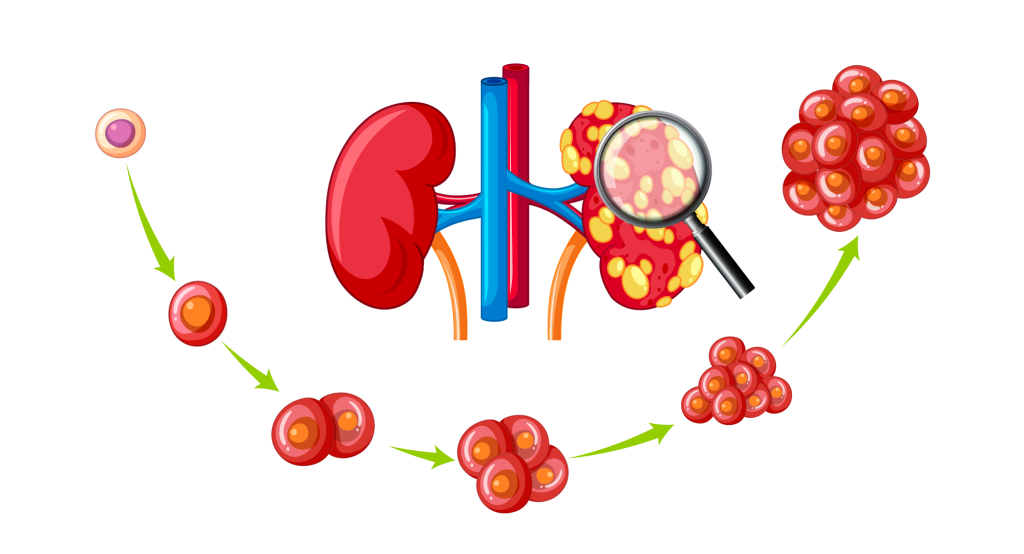
Cancer is one name for a group of diseases. Each type of cancer has its own name, treatment, and prognosis (chance of responding to treatment). Cancer in adolescents and young adults can generally be divided into three groups:
Blood (Haematological) cancers: Leukaemia is a cancer that begins in the bone marrow which is a blood forming organ. Lymphoma is a cancer that originates from the lymphatic system and affects the immune system.
Solid tumours: Brain, soft tissue, bone, breast and other organs.
Lymphomas:
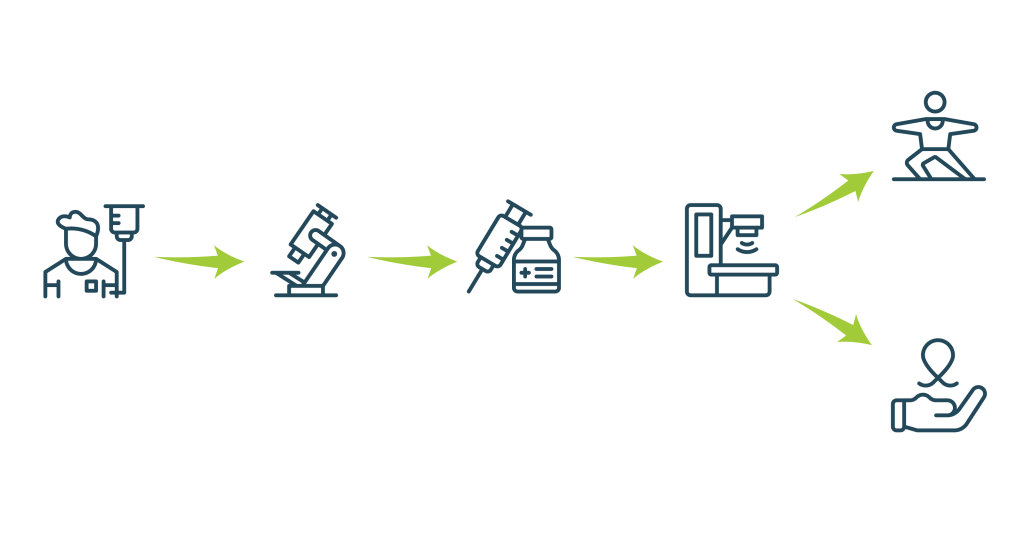
Imaging tests used in diagnosing cancer may include a computerized tomography (CT) scan, bone scan, magnetic resonance imaging (MRI), positron emission tomography (PET) scan, ultrasound and X-ray, among others. Biopsy. During a biopsy, your doctor collects a sample of cells for testing in the laboratory. Leukaemia can be suspected form a single blood draw. A bone marrow aspiration is often required to confirm the diagnosis.
Red flags of cancer in AYA:
How is cancer diagnosed?
Doctors use a number of different techniques to diagnose cancer:
Biopsy – During a biopsy, your doctor collects a sample of cells for testing in the laboratory.
Imaging tests – these may include a computerized tomography (CT) scan, bone scan, magnetic resonance imaging (MRI), positron emission tomography (PET) scan, ultrasound and X-ray, among others.
The Ayaware platform has been developed by the Nelson Mandela University’s Centre for Community Technologies for the Cancer Association of South Africa with support by Ezethu Trust Foundation.